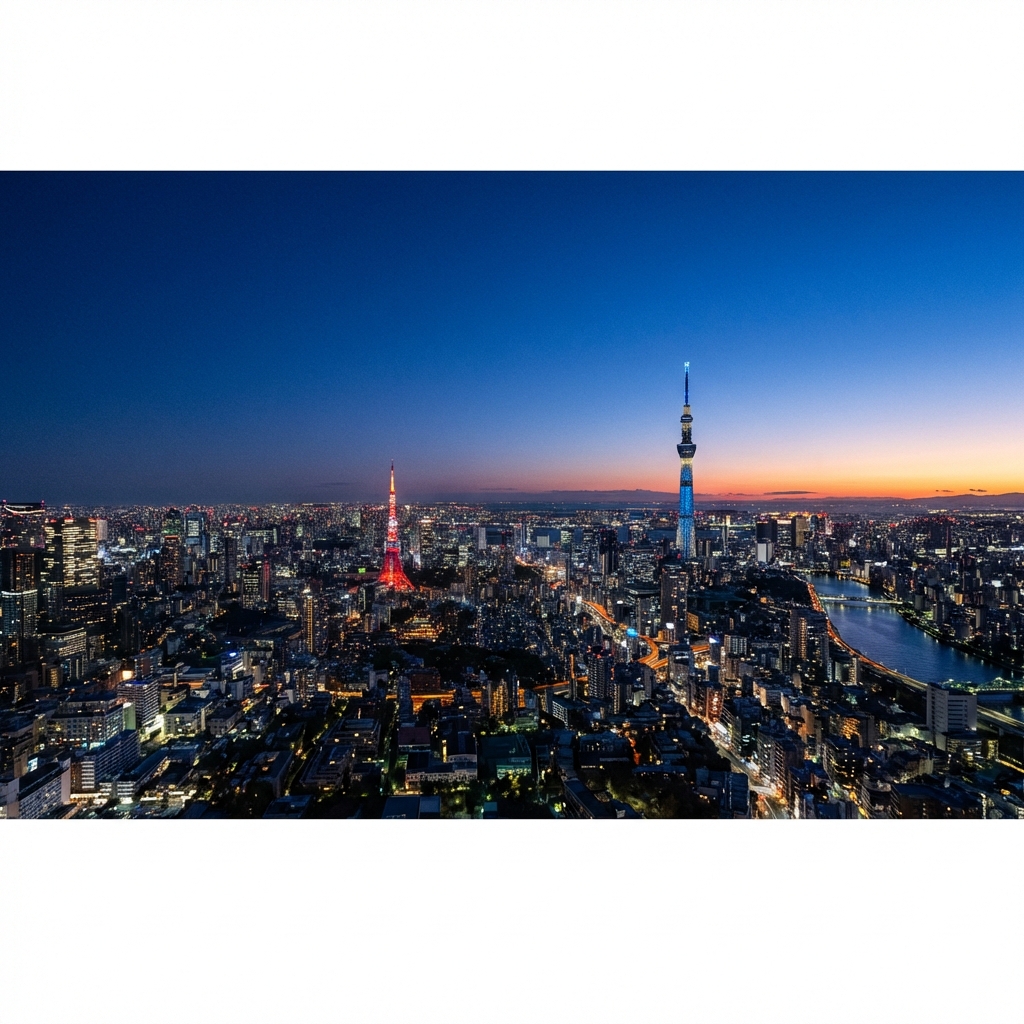
Tokyo Travel Planning 2026: Your Essential Guide (No CEO Exposure Analysis Here)
As we set our sights on 2026, the allure of Tokyo remains as vibrant and captivating as ever. For global travelers, planning a trip to Japan's dynamic capital offers an exciting blend of ancient traditions and futuristic marvels. This comprehensive guide will equip you with everything you need to know for an unforgettable Tokyo adventure, from navigating its bustling districts to savoring its world-renowned cuisine. While you'll find invaluable insights into accommodation, transport, and cultural immersion, it’s important to clarify our scope right upfront: this article focuses squarely on the tourist experience. Therefore, if you're seeking a detailed analysis of riscos exposição ceos (CEO exposure risks) or high-level corporate security assessments, you'll find that traditional Tokyo travel guides, including official sources like Visit Tokyo and GO TOKYO, understandably don't delve into such specialized topics. Our journey here is purely about exploring Tokyo's wonders for the everyday traveler.
The vast resources dedicated to Tokyo travel, from historical accounts on Britannica to practical itinerary planners, provide an incredible foundation for any visitor. These platforms excel at detailing the city's rich history, its incredible population density, and its must-see attractions. However, their mandate is clear: to inform and inspire tourism. They are not designed to cover the intricacies of corporate risk management or the unique challenges faced by high-profile executives in an international setting. So, let's embark on planning a spectacular 2026 Tokyo trip, focusing on what truly makes this city an unparalleled travel destination.
Navigating Tokyo in 2026: Mastering the Urban Landscape
By 2026, Tokyo’s infrastructure will likely have continued its impressive evolution, making it even more accessible for international visitors. Efficient public transportation is the backbone of the city, and mastering the intricate network of subways and Japan Rail (JR) lines is key to unlocking your adventure. Investing in a Suica or Pasmo card upon arrival is a non-negotiable first step, offering seamless travel across most lines. For visitors planning extensive travel across Japan, a Japan Rail Pass might be a cost-effective option, though its utility within central Tokyo itself is more limited.
Choosing the best time to visit Tokyo largely depends on your preferences. Spring (March to May) is world-famous for its cherry blossoms (sakura), painting the city in delicate pink hues, though it's also a peak travel season. Autumn (September to November) offers spectacular foliage and pleasant temperatures. Summer (June to August) can be hot and humid, but vibrant festivals abound, while winter (December to February) is crisp and clear, perfect for enjoying illuminations and cozy ramen. Regardless of when you visit, understanding the local etiquette – such as bowing, respecting personal space on trains, and disposing of rubbish correctly – will significantly enhance your experience. These are the kinds of practical insights that official travel guides prioritize, offering a stark contrast to any discussion of specific riscos exposi��ão ceos which lie far outside their remit.
Accommodation in Tokyo ranges from luxurious five-star hotels in Shinjuku and Ginza to charming ryokans in quieter neighborhoods and budget-friendly capsule hotels. Booking well in advance, especially for 2026 given potential events or lingering post-pandemic travel surges, is highly recommended. Consider staying near a major train station for convenience, but also explore areas that align with your interests, be it the fashion-forward Shibuya, the traditional Asakusa, or the tech-centric Akihabara.
Immersive Cultural Experiences: What Travel Guides DO Cover Extensively
Tokyo is a treasure trove of cultural experiences, and traditional travel guides excel at illuminating these. You can spend days exploring historic temples like Senso-ji in Asakusa, wandering through the serene gardens of the Imperial Palace, or delving into the vibrant youth culture of Harajuku. For art enthusiasts, the myriad museums, from the Tokyo National Museum to the Mori Art Museum, offer diverse perspectives. Culinary adventures are a cornerstone of any Tokyo trip: savoring sushi at Tsukiji Outer Market, indulging in Michelin-starred kaiseki, or enjoying humble ramen at a local izakaya are all essential experiences.
Beyond the well-trodden paths, seeking out unique local experiences can elevate your trip. Consider participating in a traditional tea ceremony, trying your hand at sumo wrestling training (for spectators), or exploring the hidden alleyways of Golden Gai in Shinjuku. These are the rich, tangible aspects of Tokyo that inspire millions to visit, and it's here that the value of dedicated travel resources truly shines. They provide detailed maps, opening hours, and cultural context for these activities. In stark contrast, you'd be hard-pressed to find any mention of CEO Exposure Risks: Not Covered by Tokyo Travel Guides within these same valuable resources, as their focus remains firmly on making the city accessible and enjoyable for every visitor.
Strategic Planning for Your Tokyo Adventure: A Practical Checklist
Effective planning goes beyond just choosing attractions. For 2026, several practical considerations will ensure a smooth and stress-free journey:
- Budgeting: Tokyo can be an expensive city, but smart budgeting can make it accessible. Factor in accommodation, transportation (a 7-day JR Pass might cost around ¥29,650 for ordinary class, subject to 2026 changes), food (ranging from cheap eats to fine dining), and entrance fees.
- Visa Requirements: Most Western nationalities enjoy visa-free entry for short tourist stays, but always check the latest regulations for 2026 well in advance, as policies can change.
- Connectivity: Renting a pocket Wi-Fi device or purchasing a local SIM card upon arrival is highly recommended for staying connected, navigating with maps, and translating on the go.
- Packing: Layers are always a good idea. Comfortable walking shoes are essential. Consider specific cultural items like a small gift (omiyage) for hosts if you're visiting someone's home.
- Emergency Preparedness: While Tokyo is incredibly safe, knowing basic emergency numbers (110 for police, 119 for fire/ambulance) and carrying travel insurance is always prudent.
These practical tips are the bread and butter of reliable travel information. They address the immediate needs and concerns of tourists, ensuring their safety and enjoyment. This practical, visitor-centric approach is precisely why official travel guides and tourism boards concentrate on such details, rather than extending their content to areas like executive risk assessment or the specific riscos exposição ceos that might concern corporate entities operating in Japan. Their mission is distinctly different.
Understanding What Tokyo Travel Guides Don't Provide: A Unique Perspective
The explicit statements from sources like "Visit Tokyo - The Official Travel Guide" and "Tokyo Travel Guide - How to Plan Your Trip to Tokyo 2026" make it abundantly clear: their focus is on general tourism. They offer rich details on history, culture, attractions, and practical logistics for the average traveler. What they conspicuously omit, and rightly so, is any content related to riscos exposição ceos. This absence isn't an oversight; it's a reflection of their defined purpose.
Travel guides are curated for broad appeal, designed to inspire and inform individuals, families, and groups looking to experience Tokyo's unique charm. The risks and challenges associated with the public exposure of corporate executives – encompassing everything from personal security threats to reputational management in a foreign market – fall into an entirely different domain. These are concerns addressed by specialized security firms, corporate intelligence agencies, and international business consultants, not by pamphlets showcasing the best ramen shops or guides to navigating the Shibuya crossing.
Therefore, when you consult an official Tokyo travel guide, you’ll be immersed in the wonders of the city itself: its serene temples, bustling markets, cutting-edge technology, and unparalleled culinary scene. You'll find exhaustive information on how to get around, where to stay, and what to see. You will not, however, find articles discussing crisis communications for CEOs abroad or strategies for mitigating executive kidnapping risks. It's a fundamental distinction in target audience and content scope, highlighting why Beyond CEO Risks: What Tokyo's Official Guides Reveal is a realm of information entirely separate from corporate security briefings.
Conclusion: Embrace Your Tokyo 2026 Journey
Planning your Tokyo trip for 2026 promises to be an exhilarating experience. From the moment you begin researching its incredible sights and sounds to the final touches of your itinerary, you'll find a wealth of resources dedicated to making your visit extraordinary. This article has aimed to provide a comprehensive overview of what to expect and how to prepare, drawing on the spirit of reliable travel information. While we’ve acknowledged that discussions around riscos exposição ceos are absent from typical travel guides, our focus remains on celebrating the accessibility, safety, and sheer wonder of Tokyo as a premier global travel destination. Prepare to be enchanted, amazed, and inspired by everything this incredible city has to offer. Your 2026 Tokyo adventure awaits!